

How to Budget for a Home Renovation in the Greater Vancouver Area
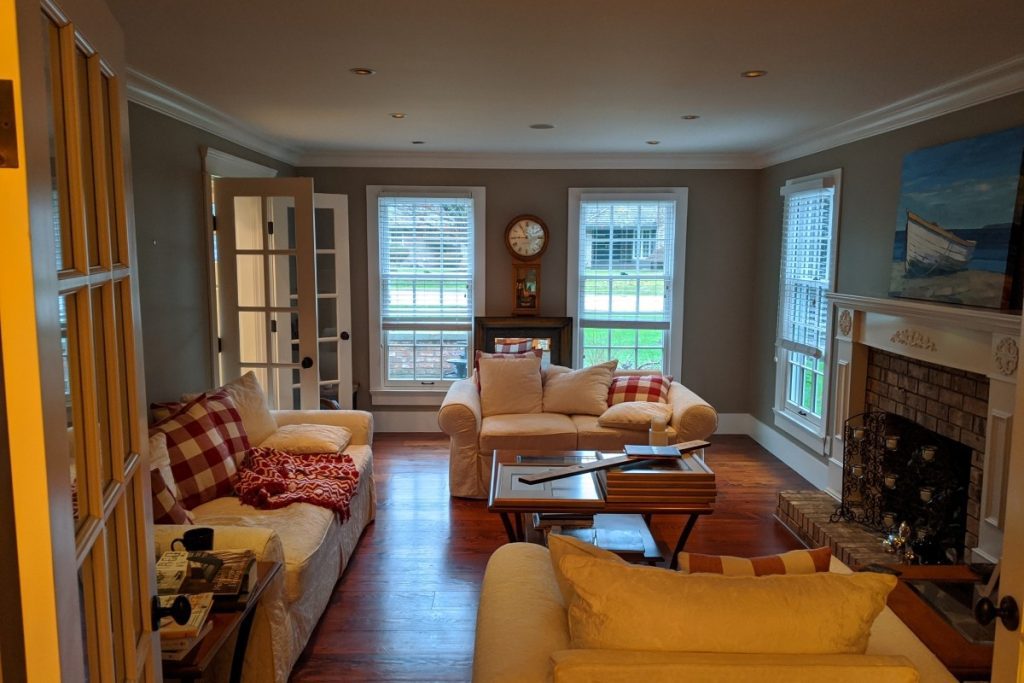
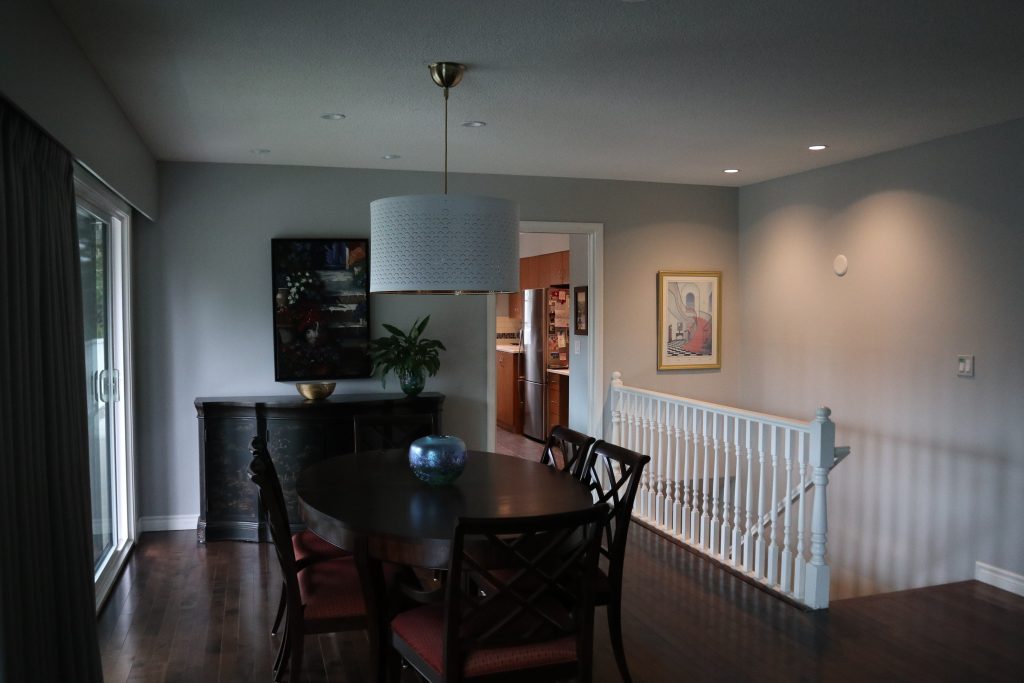 Before
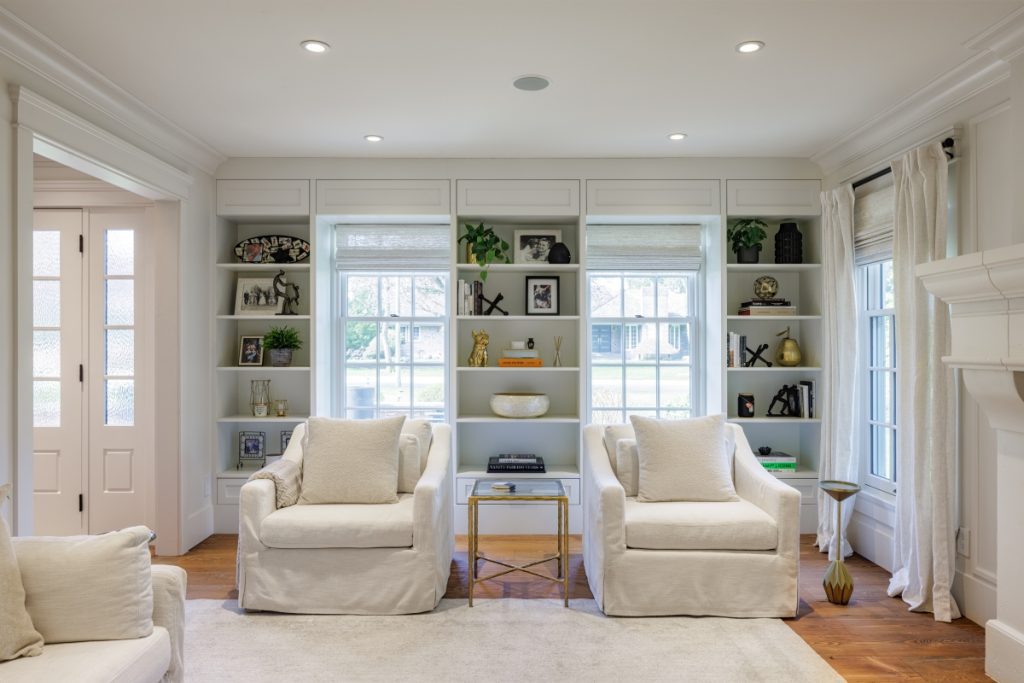
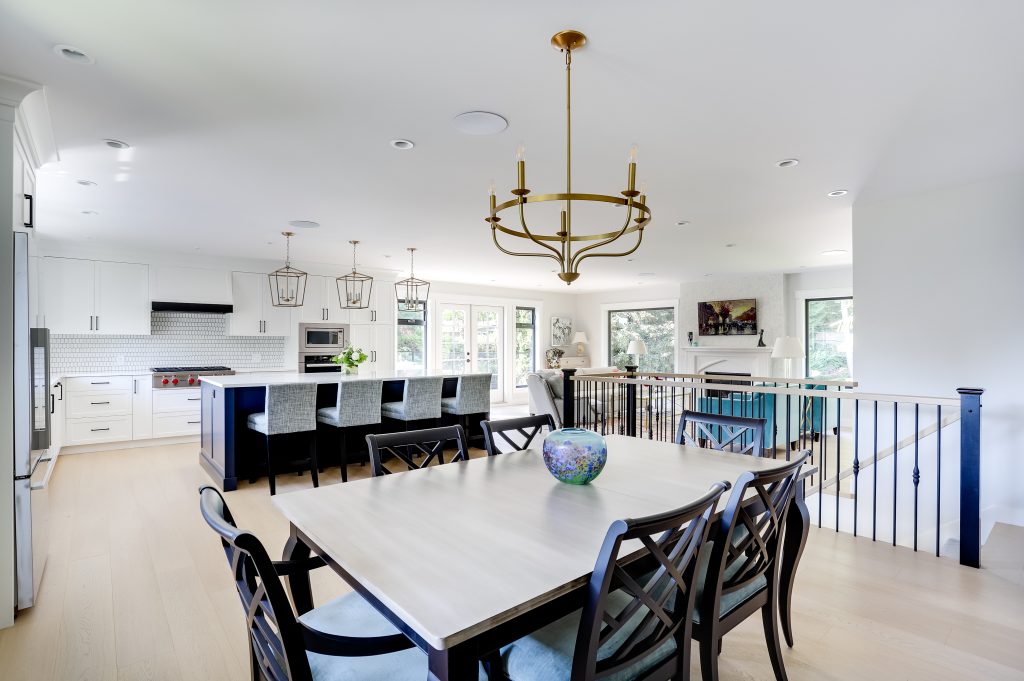 After
After
If there is one question that keeps homeowners up at night before a project, it is this one: how to budget for a home renovation without the costs running away from you. It is the most common worry we hear, and it is a fair one. A home is one of the biggest things you will ever spend money on, and nobody wants to find out halfway through that they need a lot more than they planned.
The good news is that a renovation does not have to be a financial guessing game. With a realistic number, a clear scope, and a little room set aside for the unexpected, your project can feel exciting instead of stressful. Here is how we think about it.
A renovation does not have to be a financial guessing game.
Start with an honest number, not a wish
The most common reason a budget unravels is that it was never really set in the first place. It helps to be honest with yourself about two things up front: what you are genuinely comfortable spending, and what the work you actually want is likely to cost. Those two numbers need to meet somewhere sensible before anything else happens.
It also helps to be clear on scope from the start. A single-room update and a whole-home renovation sit at very different price points, so knowing roughly how far you want to take the project keeps your budget grounded in reality rather than in a feeling.
Know where your renovation budget actually goes
A renovation budget is not one number. It is several working parts, and seeing them all in one place is what turns the total from intimidating into manageable.
The main pieces are labour and construction, materials and finishes, professional design, permits, and appliances. Then there are the costs people tend to forget: temporary living or storage if you move out during the work, and the small upgrades you decide on once the project is underway. When every one of these is visible from the beginning, the total stops feeling mysterious. Building that kind of clarity for our clients, before a single wall comes down, is a big part of what we do.
Build in a contingency, and why that is not pessimism
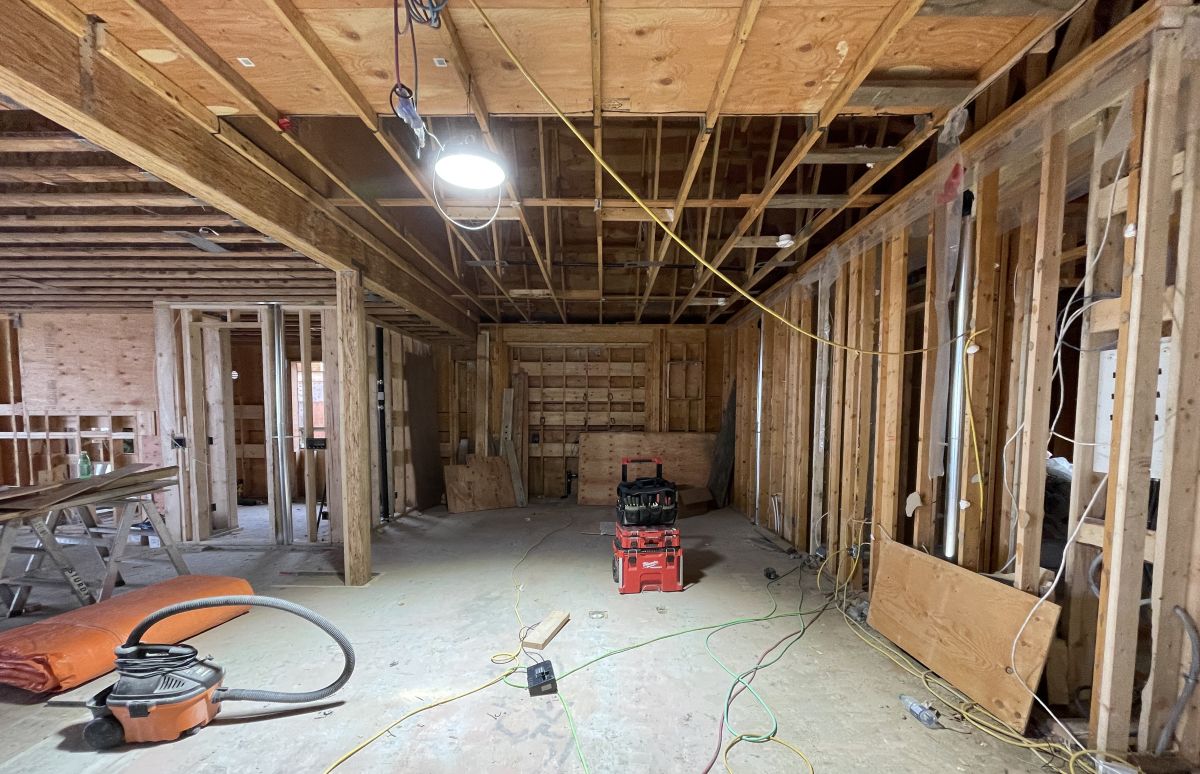
No matter how carefully a project is planned, older homes in particular can hide surprises behind the walls. Outdated wiring, a plumbing issue, or something that needs to be brought up to current code can appear once the work begins.
For most renovations, setting aside roughly 10 to 20 percent of your budget as a contingency is sensible. For older homes, or projects that involve moving walls, it is wise to lean toward the higher end. This is not planning to fail. It is the opposite. A contingency is the buffer that lets you handle a surprise calmly, without pausing the project or compromising on the finishes you fell in love with.
Where renovations go over budget, and how to avoid it
Across more than a thousand projects, we have noticed something that surprises people: the biggest budget overruns rarely come from the unknowns. They come from changes.
The biggest budget overruns rarely come from the unknowns. They come from changes.
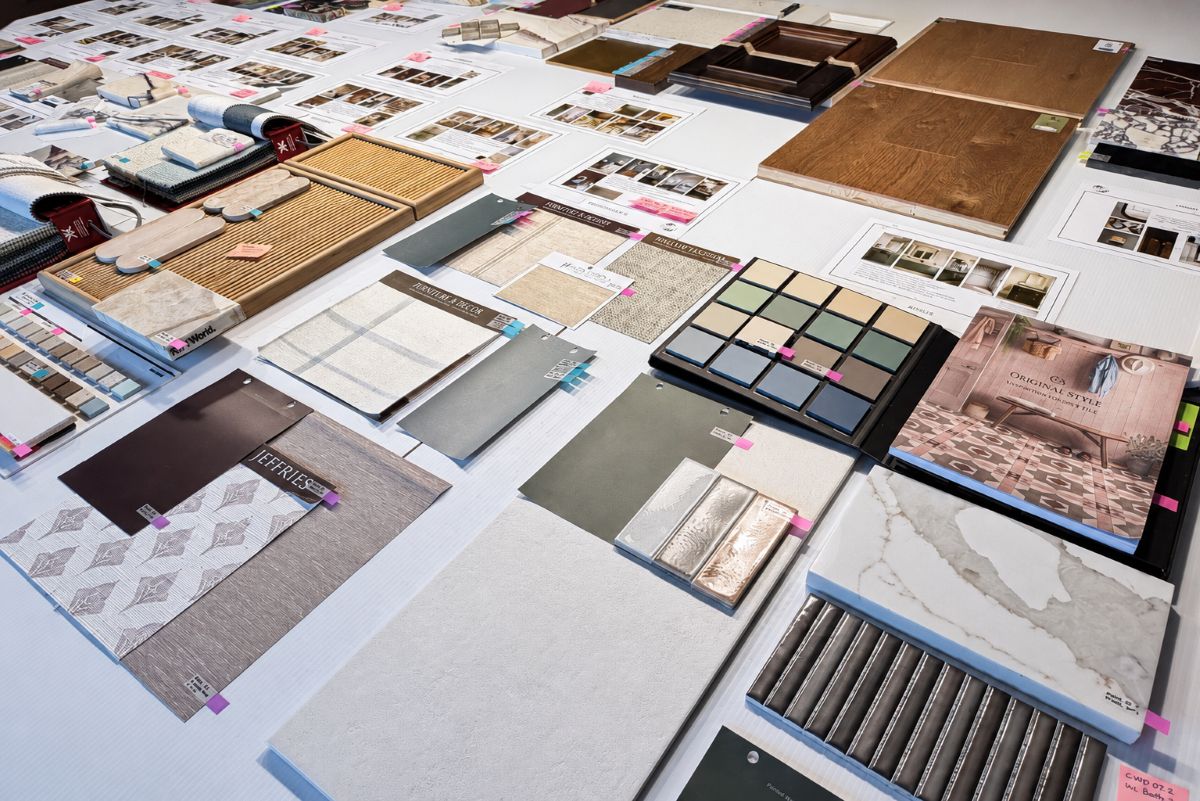
The usual culprits are scope creep, the steady stream of “while we are at it” additions, changing your mind partway through, and underestimating what finishes really cost. The single best protection against all three is deciding as much as possible before construction starts. When the layout, the materials, and the selections are settled and documented up front, your contractor is pricing a clear, fixed scope, and there is far less room for costly surprises later on.
This is exactly why we put so much care into the design and documentation stage, whether we are guiding a renovation or the interior of a new custom home. Thorough planning is not an added cost. It is the thing that keeps the rest of your budget under control, and it is where experience makes the biggest difference. A team that has solved the same problems many times before simply makes fewer expensive mistakes.
How to budget for a home renovation with confidence
You do not have to figure all of this out on your own. The reason budgeting feels overwhelming is that most homeowners are doing it for the first time, while pricing work they have never had to price before.
Working with an experienced design team changes that. You go into construction with a defined scope, a clear plan, and far fewer unknowns, and we are upfront about our own design fees from the start, so there are no surprises there either. That is what a confident renovation looks like: not a project with no costs, but a project where you can see the costs coming and stay in control of them.
A confident renovation is not a project with no costs. It is one where you can see the costs coming and stay in control of them.
 Before
- After
If you are starting to think about a renovation or a new home, we would be glad to help you shape a realistic budget and a plan to match. Feel free to book a consultation with our team, and we can talk through what your project might involve.
Frequently Asked Questions about Home Renovation Budgets
How much should I budget for a home renovation?
It depends on the scope of the work and the finishes you choose. A single-room update and a whole-home renovation sit at very different price points, and costs in the Greater Vancouver Area tend to run higher than the national average. The most reliable way to land on a number for your home is to define the scope first, then build the budget around it.
How much should I set aside for unexpected renovation costs?
Most professionals suggest a contingency of roughly 10 to 20 percent of your total budget. Lean toward the higher end for older homes, or for projects that involve moving walls, where surprises behind the walls are more likely.
Why do home renovations go over budget?
The most common reasons are changes made partway through, adding to the scope as the project goes, and underestimating the cost of finishes. Deciding on your layout and selections before construction starts is the best way to keep a renovation on budget.
Do I need a designer for a renovation, or just a contractor?
A contractor builds the project, while a designer plans it. Having a clear design and a documented scope before construction helps your contractor price accurately and reduces costly changes later. We provide this for both renovations and the interiors of new custom homes.
Will I know my costs before the renovation starts?
With a properly designed and documented scope, you head into construction with a clear plan and far fewer unknowns. We are also upfront about our own design fees from the start, so the planning stage holds no surprises.
